
The Psychology of Retreat Experiences: Why Stepping Away Helps Us Reset
In today’s fast-paced world, stepping away for a few days can feel like a luxury. But psychology tells us something different — taking intentional time to disconnect can dramatically improve our mental clarity, energy levels, and overall wellbeing.
A retreat is more than just a holiday. It’s a deliberate pause from everyday life designed to restore balance, reduce stress, and help people return to their work and personal lives feeling renewed.
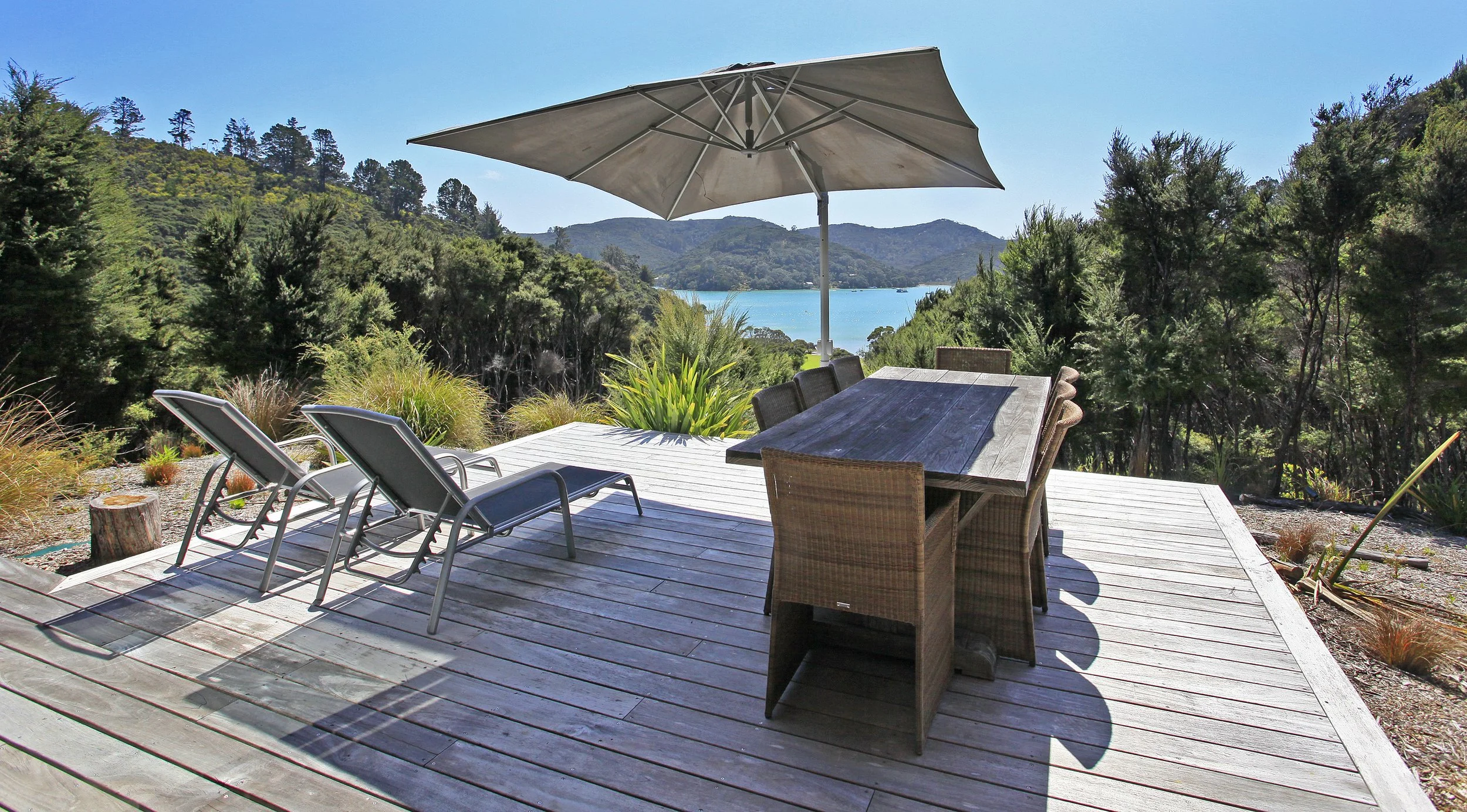
At Parohe Island Retreat, a secluded island wellness retreat just 45 minutes from Auckland on Kawau Island, guests often describe their stay as a complete reset. Surrounded by native bush, ocean views, and peaceful spaces, the environment naturally encourages the mind and body to slow down.
But why do retreat experiences feel so powerful?
The answer lies in psychology.
1. Retreats Reduce Mental Overload
Modern life places our brains under constant pressure. Emails, notifications, meetings, and responsibilities create what psychologists call cognitive load — the amount of mental effort we use to process information throughout the day.
Over time, this constant stimulation can lead to fatigue, reduced focus, and burnout.
When you step away to a wellness retreat near Auckland, the brain finally receives a signal that the usual pressures are gone. Without the constant demands of daily life, stress hormones begin to decrease and the nervous system shifts into a calmer state.
This is one reason guests often report sleeping better, thinking more clearly, and feeling calmer within just a few days of arriving at a retreat.
2. Nature Helps the Brain Recover
One of the most powerful elements of a retreat experience is the surrounding environment.
Psychologists often refer to Attention Restoration Theory, which explains how time in nature allows the brain to recover from mental fatigue. Natural environments engage our attention gently — ocean views, forests, and open landscapes hold our focus without demanding effort.
This allows the mind to recharge.
At a wellness retreat in New Zealand, being immersed in nature — whether through coastal walks, ocean swims, or simply sitting quietly outdoors — helps restore mental energy in a way that urban environments rarely can.
3. Disconnection Creates Mental Clarity
In everyday life, our attention is constantly fragmented. Messages, news, and social media compete for focus, leaving very little space for reflection.
Retreat environments intentionally encourage disconnection from digital noise and reconnection with yourself.
Without constant interruptions, the brain shifts from reactive thinking into a more reflective state. This is often when clarity appears — new ideas, solutions to problems, or simply a deeper understanding of what matters most.
Many people arrive at a retreat feeling overwhelmed and leave with a renewed sense of direction.
4. Movement and Stillness Improve Wellbeing
Wellness retreats often combine physical activity with restorative practices — and this balance plays an important psychological role.
Movement such as yoga, pilates, outdoor workouts, or swimming helps release physical tension and boost mood through the release of endorphins.
At the same time, slower experiences like meditation, breathwork, sauna sessions, or quiet relaxation activate the parasympathetic nervous system, the body’s natural recovery mode.
Together, movement and stillness help regulate stress, improve sleep, and support overall mental wellbeing.
5. Shared Experiences Strengthen Human Connection
Another powerful element of retreats is the sense of connection that forms between guests.
Unlike everyday life — where conversations are often rushed — retreat environments create space for meaningful interaction. Shared meals, group activities, and relaxed social time naturally foster connection.
Psychologists often refer to this as collective wellbeing, where shared positive experiences enhance emotional health and a sense of belonging.
This is why many people leave retreats not only feeling rested, but also feeling more connected to others.
6. A Change of Environment Encourages New Perspective
Environment strongly influences behaviour and mindset.
When we remain in the same surroundings every day, it’s easy to fall into repetitive patterns of thinking. A change of environment — particularly somewhere calm and unique — can disrupt those patterns.
A secluded island retreat near Auckland creates exactly this kind of shift.
With space to slow down and reflect, guests often gain perspective on work, relationships, and personal priorities. That distance from everyday pressures can lead to powerful insights that carry forward long after the retreat ends.
More Than Just a Break
A retreat experience is not simply about relaxing. It’s about creating the conditions for mental and physical reset.
By combining nature, movement, rest, and meaningful connection, retreats allow the brain and body to recover from the demands of modern life.
At Parohe Island Retreat on Kawau Island, the secluded island setting, wellness facilities, and thoughtfully designed retreat experiences are all built around this idea: giving people the space they need to truly reset.
Because sometimes the most productive thing you can do
is step away for a while.